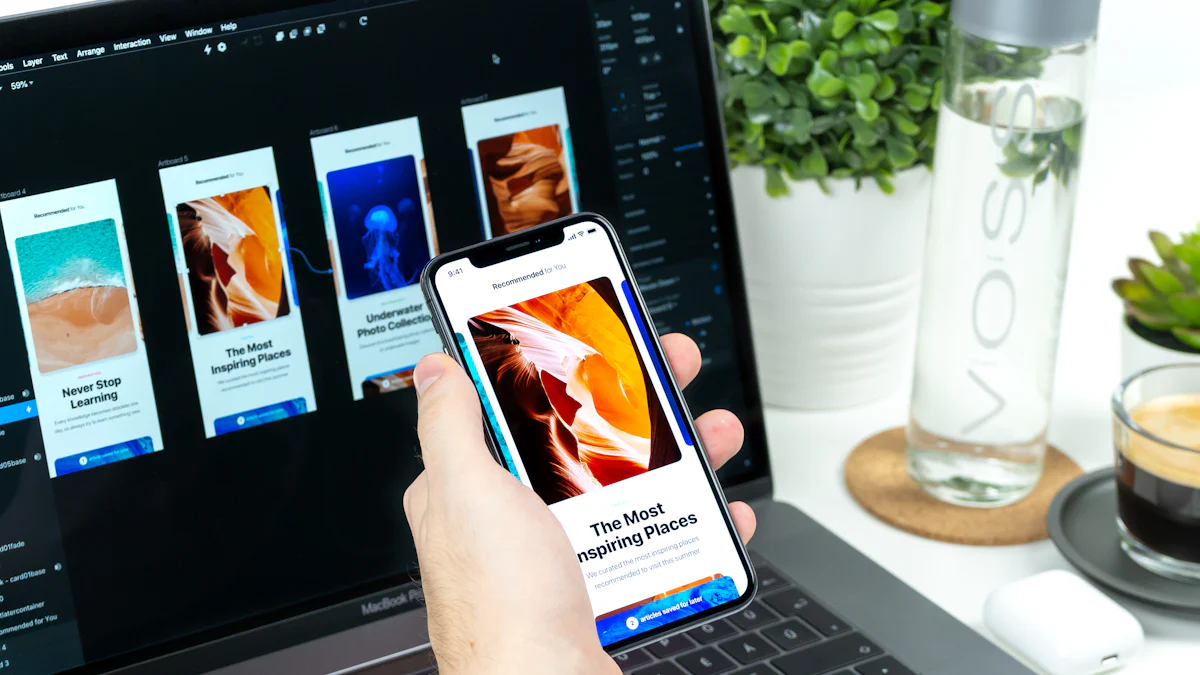
In the realm of design, the best generative importance of selecting the right UI design tool cannot be overstated. A well-chosen tool can significantly impact website conversion rates, with a good User Experience (UX) (opens new window) design potentially boosting rates by 400% (opens new window). As we delve into this guide's structure, we aim to provide a comprehensive overview of essential considerations when choosing a UI tool. Moreover, we will touch upon the best generative growing role of AI in design, showcasing how it predicts user behaviors and preferences to enhance location-based experiences.
# Features to Consider
When considering Design Capabilities (opens new window), prioritizing Design Flexibility is essential. This feature allows designers to explore various creative avenues without limitations, ensuring a unique and tailored end product. Additionally, Design Templates play a crucial role in streamlining the design process by providing a foundation for innovative ideas to flourish.
Exploring the realm of best generative Features, the integration of AI-powered Design tools revolutionizes the design landscape. By harnessing the power of Artificial Intelligence, designers can elevate their creations with intelligent suggestions and enhancements. Moreover, Automating Repetitive Design Tasks through AI streamlines workflows, allowing for increased productivity and focus on intricate design elements.
Delving into the realm of User Experience, focusing on intuitive User Interfaces (opens new window) enhances user engagement and satisfaction. Simultaneously, optimizing User Interactions (opens new window) ensures seamless navigation and meaningful connections within the interface.
# Additional Features
When considering Plugins and Integrations, designers can expand the functionality of their chosen UI design tool by seamlessly integrating third-party plugins. These plugins offer a myriad of features, from color palette generators to accessibility checkers, enhancing the overall design workflow. By leveraging these external resources, designers can streamline their processes and access specialized tools tailored to their specific project requirements.
In the realm of Rapid Prototyping (opens new window), speed and efficiency are paramount in translating design concepts into interactive prototypes. Rapid prototyping tools within UI design platforms enable designers to quickly validate ideas, gather feedback, and iterate on designs in real-time. This agile approach accelerates the development cycle, leading to faster delivery times and more refined end products.
Generative Design Software (opens new window) utilizes advanced algorithms to optimize designs efficiently, providing multiple solutions for engineers and architects to choose from. This innovative software simplifies complex design processes in industries like auto manufacturing and industrial machinery production, fostering creativity and problem-solving capabilities.
# Top UI Design Tools
When exploring the realm of top UI design tools, Adobe XD (opens new window) stands out as a powerhouse in the industry. With its innovative Design Features, designers can unleash their creativity and bring concepts to life seamlessly. The integration of AI-powered Enhancements through Adobe Sensei elevates the design process, providing intelligent insights and suggestions to enhance user experiences.
Moving forward, Figma (opens new window) emerges as a collaborative platform that fosters teamwork and creativity. Its robust Collaboration Tools (opens new window) enable real-time editing and feedback sharing, streamlining the design workflow for teams worldwide. Additionally, Figma's best generative Design Capabilities empower designers to create dynamic and interactive interfaces that resonate with users on a deeper level.
In the realm of UI design, Sketch (opens new window) shines with its versatile features tailored for designers. From a plethora of Design Plugins to intuitive User Experience Enhancements, Sketch offers a comprehensive toolkit for crafting visually stunning interfaces. By leveraging these tools effectively, designers can enhance user interactions and elevate the overall product experience.
# InVision (opens new window)
When it comes to Prototyping Features (opens new window), InVision stands out as a pivotal tool for designers seeking to bring their concepts to life. Through its intuitive interface, designers can seamlessly create interactive prototypes that mimic the final product's functionality and flow. This feature allows for thorough testing of design elements and user interactions, ensuring a smooth and engaging user experience.
Moreover, User Testing Tools within InVision empower designers to gather valuable feedback from users at various stages of the design process. By conducting usability tests and collecting real-time insights, designers can refine their designs based on user reactions and replies. This iterative approach fosters continuous improvement and ensures that the final product resonates with the target audience effectively.
By leveraging InVision's robust prototyping features and user testing tools, designers can streamline their workflow, enhance collaboration among team members, and ultimately deliver exceptional user-centric designs that drive conversions and engagement.
# Benefits of Generative Design
Enhancing creativity in the design process is paramount for digital experiences that captivate audiences. By leveraging algorithmic generative design, designers can create a myriad of unique design elements that breathe life into their projects. These creative endeavors push the boundaries of traditional design, fostering innovative solutions and engaging digital experiences that resonate with users on a profound level.
Improving efficiency through generative tools streamlines design tasks and accelerates the production of captivating digital content. By automating repetitive tasks (opens new window) and embracing rapid prototyping, designers can iterate swiftly and explore diverse design variants effortlessly. This approach not only enhances productivity but also allows for seamless collaboration among team members, leading to cohesive and visually striking end products.
Personalization plays a pivotal role in tailoring user experiences to meet individual preferences effectively. By customizing recommendations based on user interactions and feedback, designers can create immersive digital experiences that forge lasting connections with their audience. This personalized touch elevates user engagement and satisfaction, setting the stage for continued innovation in the realm of UI design.
In summarizing the intricate facets of UI design tools, a recap of essential considerations is paramount. Designers must prioritize Design Capabilities like flexibility and templates to craft engaging interfaces. Embracing generative features such as AI-powered enhancements and user-centric experiences elevates design workflows. For optimal outcomes, leveraging top tools like Adobe XD, Figma, Sketch, and InVision is crucial. Looking ahead, embracing generative design trends (opens new window) will shape the future of UI tools, fostering innovation and efficiency in digital experiences.